
Gas System Maintenance: Preventive Inspection and Service Contracts

A gas system needs ongoing care after handover and commissioning. Conditions of use may change, new appliances may be added, and components need monitoring and servicing in accordance with their requirements.
Periodic maintenance helps track the condition of the system and organise action on findings, giving the project owner a clearer understanding of the system’s needs.
How can gas system maintenance records support better decisions ?
Ask the report to identify the inspected item, finding, proposed action and closure status. A statement that maintenance was completed does not show whether observations remain open, parts need replacement or work falls outside the visit scope.
Retain records of alterations, faults and previous visits and share them with the specialist reviewing a recurring issue. This helps relate observations to operating conditions instead of treating each visit in isolation.
When agreeing a service with Dakheelcom, distinguish routine visits, fault calls, spare parts and additional repairs. Define communication and recording arrangements without assuming that a maintenance contract includes every repair or prevents every failure.
Why is gas system maintenance necessary ?
Professional inspections allow the condition and performance of components to be reviewed and the effects of changes in use on operating pressure, flow rate and consumption to be assessed.
When adding appliances or expanding operations, network capacity should be reviewed before the extension is brought into service. The new requirements may differ from those the system was designed to meet.
What may an inspection cover?
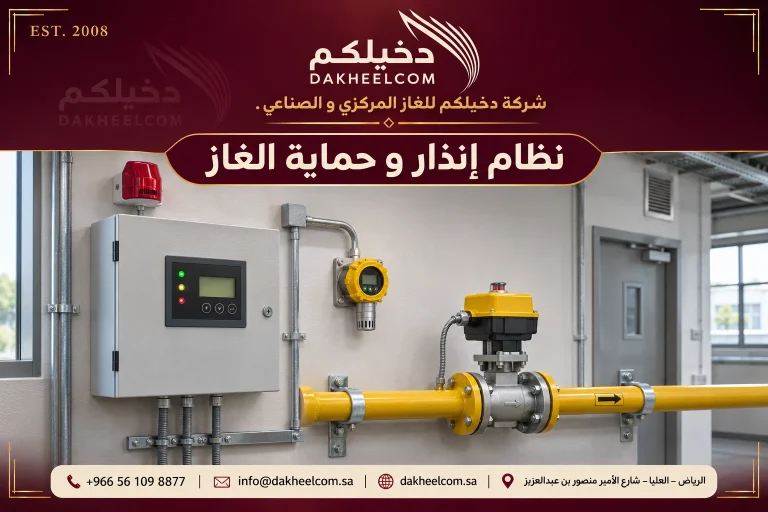
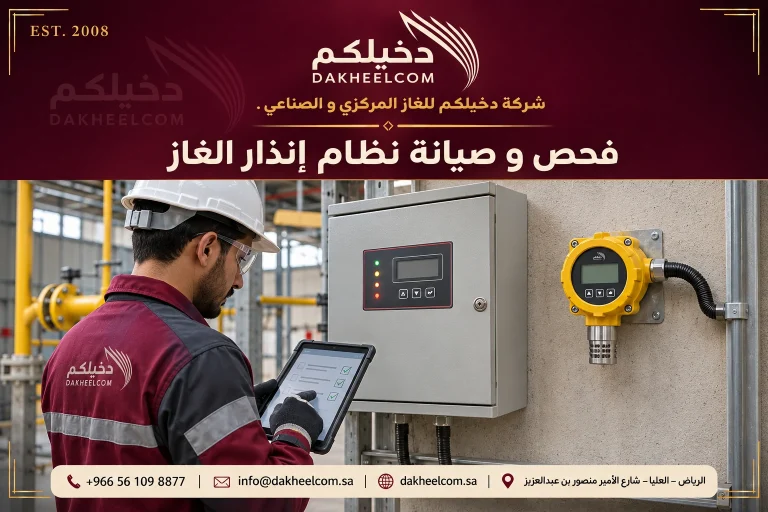
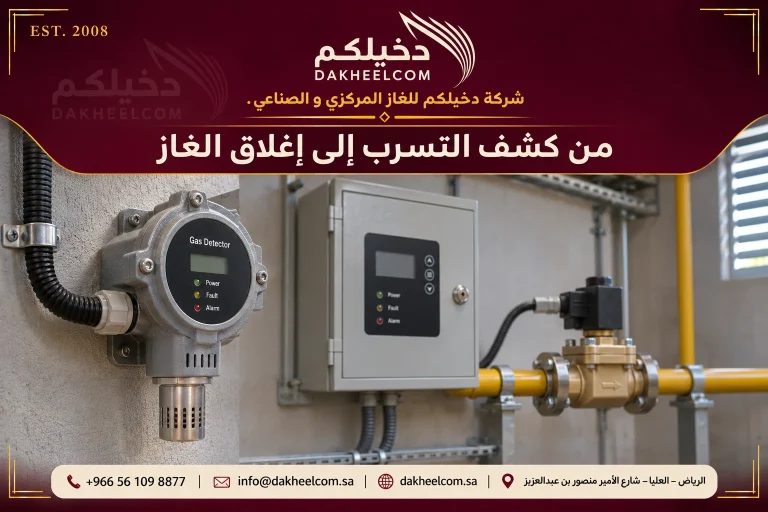
The scope is defined according to the system and may cover the tank, pipework, supports, connections, regulators, shut-off valves, and detection and alarm equipment.
Qualified personnel perform the necessary tests. Findings and required actions are documented in reports that help track completed work and outstanding issues.
How are maintenance intervals determined?
The programme is based on manufacturer instructions, system type, operating conditions, applicable requirements and previous inspection findings.
Different components within the same system may have different needs. Visits and tasks are therefore defined through an assessment of the system, rather than applying one programme to every project.
What should a maintenance contract include?
The contract should identify the systems covered, the nature of inspections, the agreed visit schedule, how results will be documented and how fault reports will be received.
It is important to define agreed service hours and response times, whether spare parts are included or excluded, additional work and the responsibilities of each party.
Reviewing these details before signing helps you understand the service you will receive and avoid differing expectations later.
How do you choose a maintenance provider?
Look for an engineering understanding of the system, a written scope of work, clear reports and a defined process for following up findings.
At Dakheelcom, we connect after-sales service with an understanding of the project’s requirements and the characteristics of its system, with engineering supervision and attention to relevant safety requirements. We focus on clear service arrangements and continued care after installation.
What information is needed to discuss a maintenance scope?
Prepare site, system and equipment information, together with any available drawings or previous reports. This information helps us discuss a suitable scope and define visits, response arrangements, parts and coverage in the quotation and contract.
Does maintenance prevent every failure?
This cannot be guaranteed. Its role is preventive monitoring, identifying issues and organising corrective action, while operating and emergency procedures continue to be followed.
To discuss a maintenance scope suited to your gas system:
Read our gas detection and safety guide and central gas systems guide.



One Comment