Gas Detectors and Shutoff Valves : Is Either One Enough ?
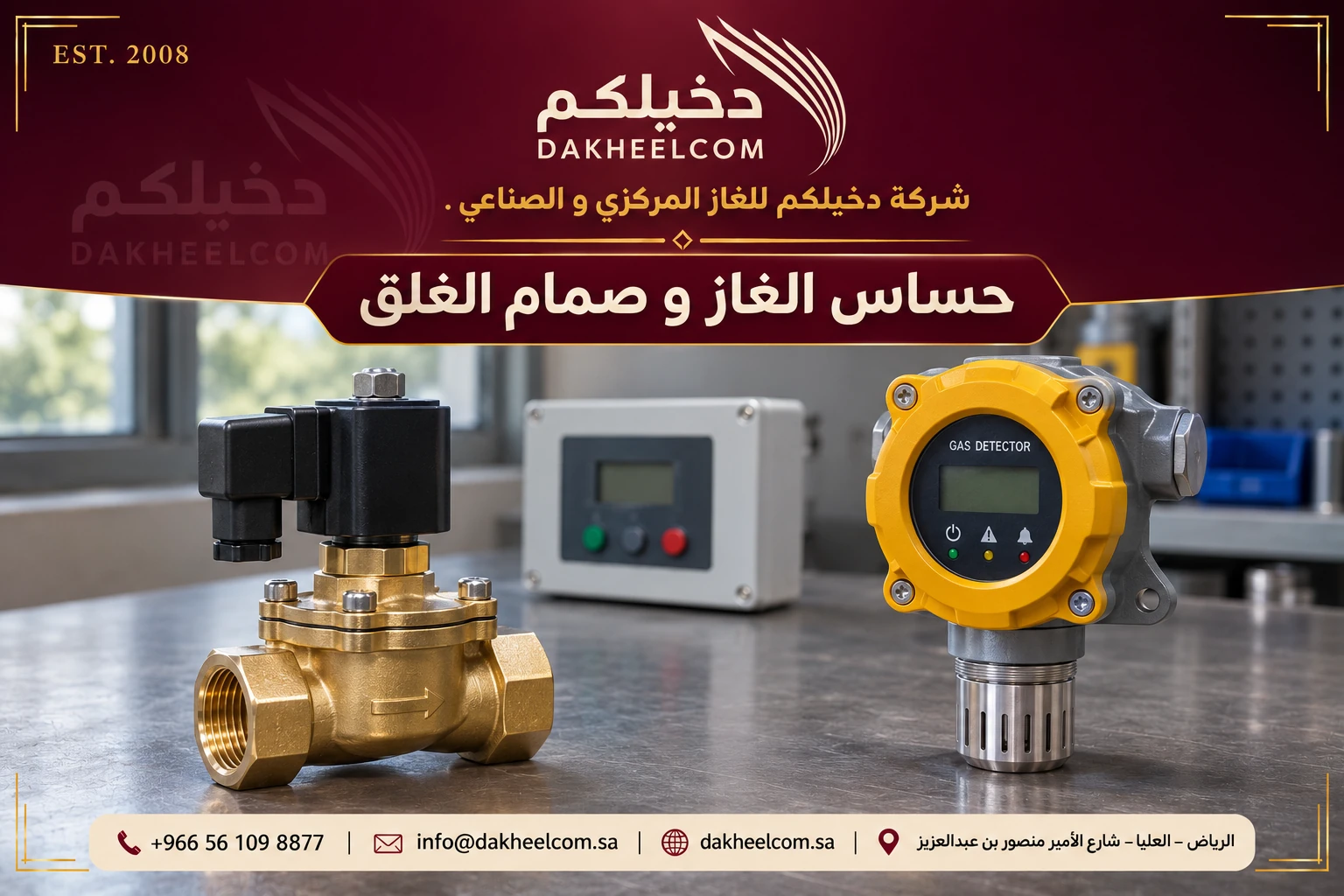
Gas detectors and shutoff valves perform different tasks. Selection starts with the detection, warning and isolation functions needed at the site, followed by verification that the specified components work together.
If you request a gas detector , you may receive a device that alerts you when it detects a leak of the target gas . If you request an electrically operated shutoff valve , sometimes called a gas leak preventer , you may receive a means of stopping the flow . But does that mean you have a complete protection system ?
The answer depends on the design , the interconnection and the required functions .
Each component has a different function
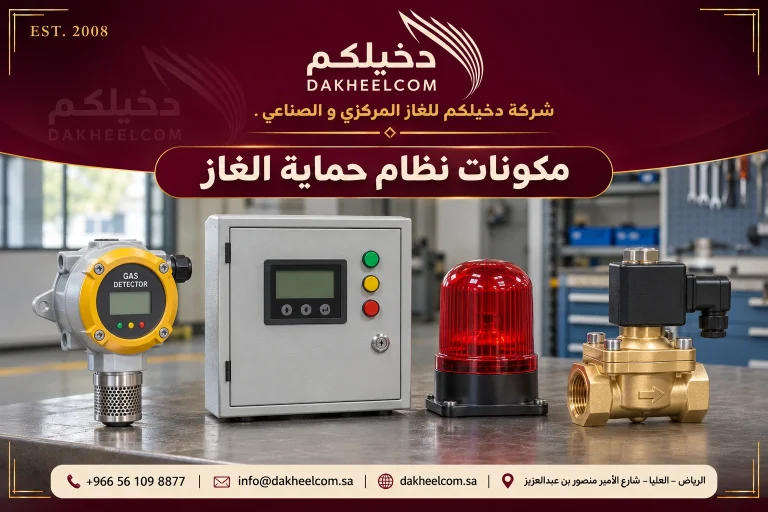
The detector monitors and detects gas leaks according to its characteristics , while the valve performs the shutoff function . Some systems also include a control panel that coordinates the response and connects the components .
Having both devices on site does not , by itself , demonstrate that they are correctly interconnected or that their response has been tested . The protection system therefore needs to be assessed as a set of interconnected functions .
What should you ask before contracting ?
Ask which gas the device detects , how it issues an alert , how the shutoff valve is operated , and what testing and handover include . These questions help you compare the technical service as well as the price .
HSE guidance explains that a detector contributes to safety but does not replace safe working practices and maintenance .
How should gas detectors and shutoff valves be integrated ?
Define the required functions before purchasing
State whether the project needs a warning only or a response that includes isolation of a defined part of the network. Similar equipment names do not establish identical functions. The specialist needs the gas type, site information, existing equipment details and operating requirements. These inputs help define the protection scope. They do not require the owner to design the electrical connection. A written description makes it easier to compare proposals and distinguish a standalone alarm from a coordinated system.
Clarify compatibility and supply boundaries
When adding detection to an existing valve, provide the valve and control-panel details where available. Ask how compatibility will be reviewed and whether the quotation includes interfaces, wiring and verification. Matching connector shapes or wire counts do not prove compatibility between gas detectors and shutoff valves. If replacement of a component is proposed, request the reason, cost and effect on the scope before approving it. Separate client-supplied equipment from contractor-supplied items so that responsibilities remain clear.
Agree what testing and handover include
Request a record of the functions checked, outstanding observations and responsibility for closing them. A power indication alone does not demonstrate that a shutoff command reaches the valve or that every agreed function has been verified. The specialist defines suitable checks for the equipment and location. Do not deliberately release gas or improvise a test method. Equipment identification, operating information and service requirements should be handed over within the agreed scope, allowing later work to refer to the actual installed system.
Distinguish shutoff from repairing the leak source
Stopping supply does not repair the joint or component responsible for a leak. Follow the site’s approved emergency procedure when an alarm occurs; do not disable detection or restart equipment simply because the sound has stopped. A competent service provider must assess the cause and appropriate action before service is restored. At the contracting stage, clarify who receives fault reports, how observations are documented and which visits or replacement parts are included. Gas detectors and shutoff valves are parts of a defined protection arrangement, not a guarantee that faults cannot occur.
Prepare a clear enquiry for Dakheelcom
Send the facility type, city, network condition, available equipment details and requested service. Mention any existing drawings or reports so that the necessary review can be scoped. Dakheelcom can explain design, supply, installation, integration and follow-up boundaries according to the project and agreement. This allows you to compare the service as a whole instead of comparing the price of a single device with the cost of an integrated arrangement.
Why Dakheelcom Company ?
We discuss your requirements in the context of the gas network , its components and its operating conditions . We aim to provide a clear proposal explaining the scope of work , helping you make an informed decision .
If you are looking for the best provider to handle your project , include service integration and clear responsibilities among your selection criteria , and give Dakheelcom Company the opportunity to propose a suitable solution .