
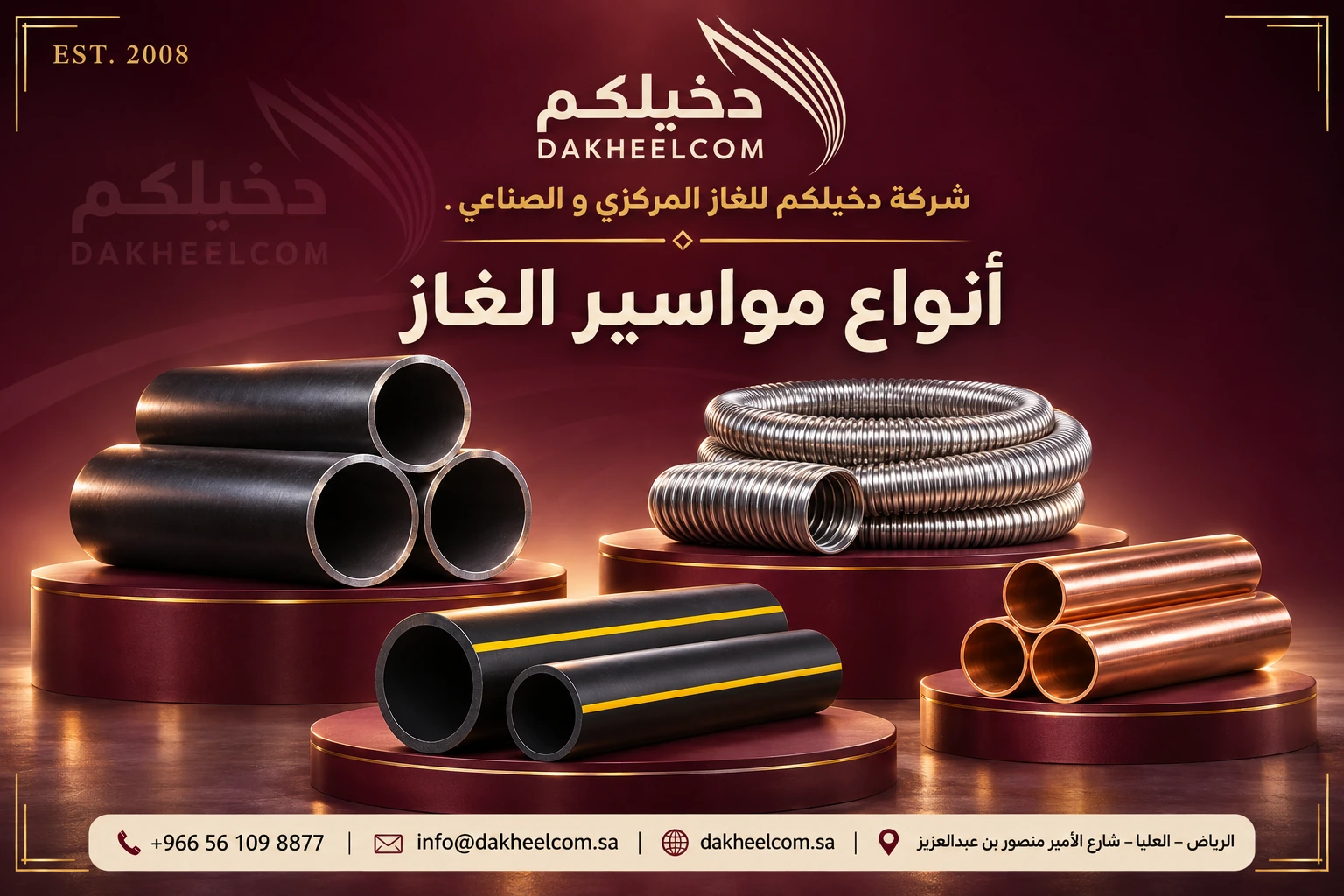
Types of Gas Pipes
What types of gas pipe are available ?
Gas pipes differ by material, manufacturing method, specification and installation location. Options used in particular gas services include seamless carbon steel gas pipes, suitable welded pipes, stainless steel gas pipes, copper, gas-grade high-density polyethylene (HDPE) pipes and other metals with specific conditions of use.
However, availability in the market or inclusion in an international standard does not automatically make a product suitable for every project. Selection begins with the gas type, operating pressure, flow rate and consumption, followed by site conditions, code requirements and product specifications.
Seamless carbon steel gas pipes
Seamless pipes are manufactured without a weld seam in the pipe body. They are an important option for gas networks when the steel grade, wall thickness, diameters and fittings meet project requirements.
The absence of a manufacturing seam is a feature of the pipe body. It does not eliminate joints between network sections or replace sound installation, testing and corrosion protection.
Romanian gas pipes
Romanian seamless carbon steel gas pipes are an option for residential, commercial and other projects, subject to the required specification.
Schedule 80 has a thicker wall than Schedule 40 at the same nominal pipe size. It may therefore be preferred where the design requires that thickness, while accounting for internal diameter, flow rate and pressure loss.
Ukrainian gas pipes and INTERPIPE
Ukrainian products include seamless pipes from manufacturers such as INTERPIPE, whose product range includes pipes for oil and gas service.
For factories, commercial premises or residential projects, the specific pipe specification, grade, thickness and intended service must be checked. A company name alone is not enough to select any of its products for a building gas network.
Chinese gas pipes
Good-quality Chinese seamless carbon steel pipes are available and can be suitable when the specific product meets the applicable requirements.
Professional assessment considers the manufacturing specification, steel grade, wall thickness, inspection results and traceability, rather than country of origin alone.
Pietra pipes
Pietra’s range includes seamless and welded carbon steel pipes. The quotation must therefore identify the product type instead of relying only on the trade name.
Where seamless pipe is required, it should be specified explicitly, together with the standard, grade, size and wall schedule. The actual product origin should also be checked against supply information.
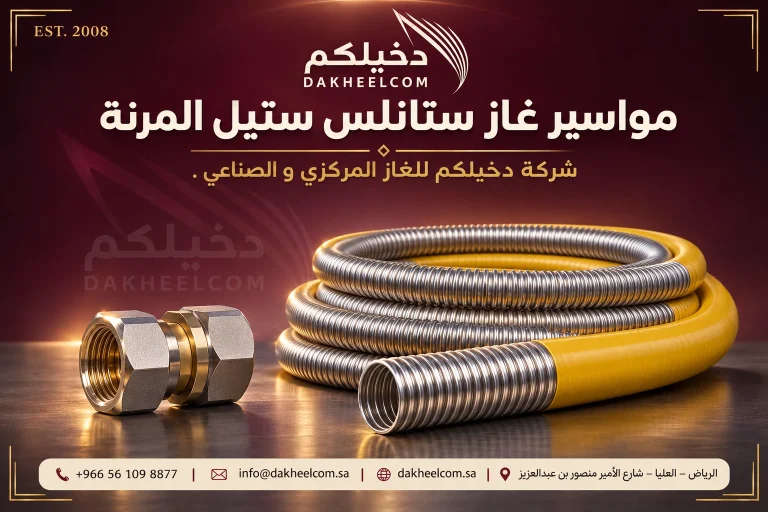
Flexible stainless steel gas pipes
These are corrugated stainless steel tubing systems, commonly called CSST, designed for gas service. Their flexibility can accommodate certain routes, but they require compatible fittings, mechanical protection and installation according to the system requirements.
The thin wall requires attention to puncture and mechanical damage risks. We do not recommend CSST automatically for every project, and it should not be confused with a flexible gas appliance connector.
Flexible stainless steel gas pipes (CSST) : benefits and limitations
Gas-grade polyethylene (HDPE) pipes
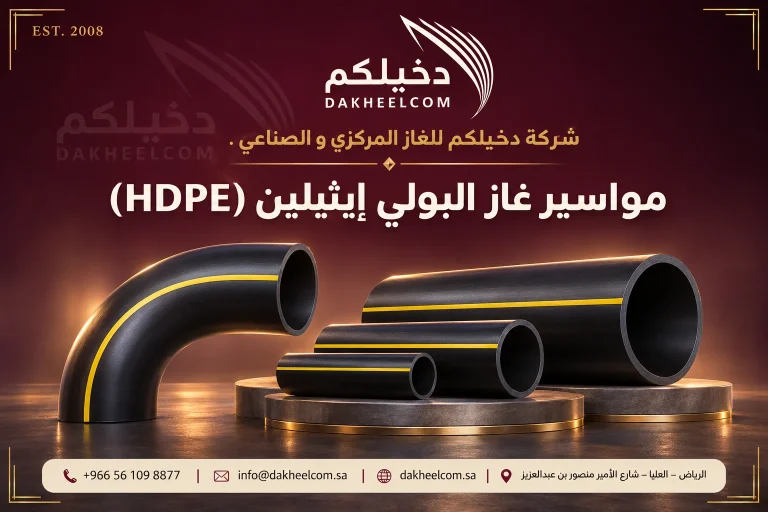
Gas-grade HDPE pipes can be used in suitable buried routes, subject to the design and applicable requirements.
The term HDPE alone does not establish suitability for gas: products are also made for water and other services. Both pipe and fittings must be intended for the particular gas and operating conditions.
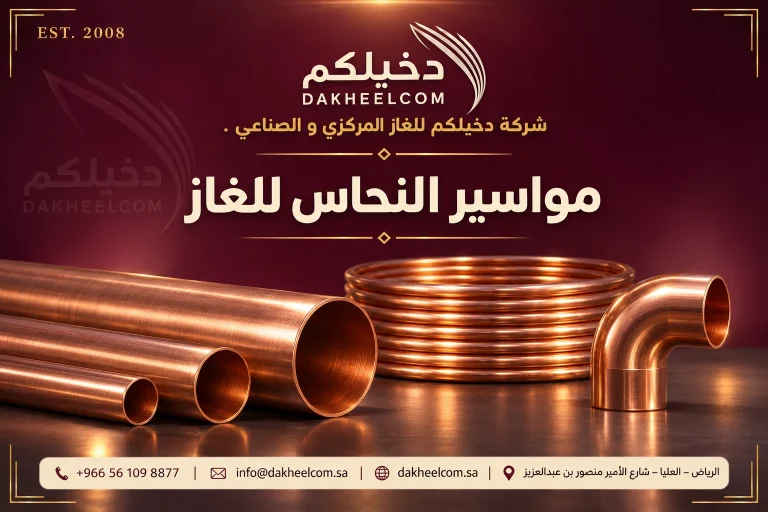
Copper and other metallic pipes
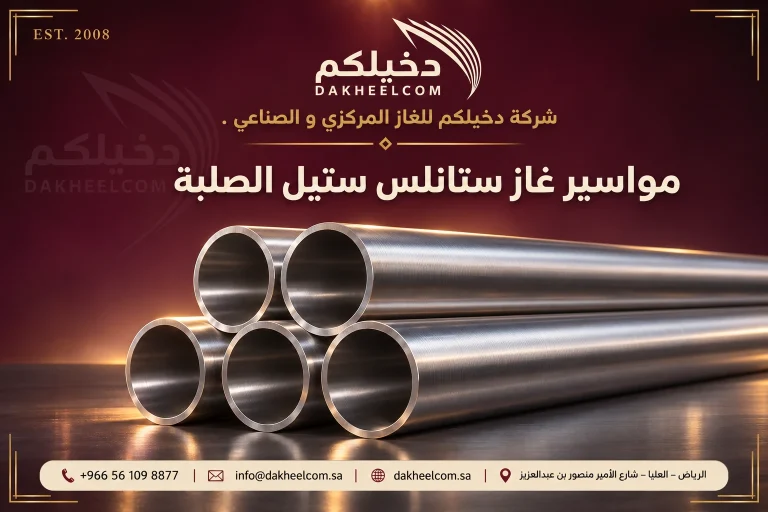
Certain applications allow copper, welded or galvanized steel pipes, rigid stainless steel gas pipes or particular aluminum alloys, with conditions that vary by material, gas and applicable code.
These options are not interchangeable without assessment. Each has compatibility, jointing, protection and installation requirements.
Is Schedule 80 better than Schedule 40 ?
A pipe schedule describes wall thickness; it is not an operating pressure rating. Schedule 80 does not mean 80 bar, and Schedule 40 does not mean 40 bar.
At the same nominal size, Schedule 80 has a thicker wall and can provide greater internal-pressure capacity when the material, temperature and other design conditions are equal. Its internal diameter is smaller, so the effect on flow must also be assessed.
The right schedule meets the project’s requirements. The higher number is not automatically the best choice in every situation.
Is seamless pipe better than welded pipe ?
Seamless pipe has no manufacturing weld seam in its body and may be preferred or required by a project specification.
Nevertheless, properly manufactured and inspected welded pipes are covered by specifications permitting gas service. It is incorrect to treat every welded pipe as unsafe or every seamless pipe as suitable without checking its specification.
Pipes that must not be selected on appearance alone
Do not substitute plastic water, drainage or irrigation pipes, or general-purpose hoses, for a gas-specific system. Pipe color or a particular water-pressure rating does not establish gas suitability.
Equally, it is incorrect to reject all plastic piping categorically: gas-grade HDPE has defined uses and requirements. The distinction is the product’s intended service, system conformity and correct use.
How should pipe specifications be checked ?
The manufacturing standard, material grade, origin and project suitability are separate factors. None replaces the others.
Relevant international specifications must be considered alongside local requirements and operating conditions to select a product that combines material quality with suitability for service.
How can Dakheelcom help you choose ?
Dakheelcom links pipe selection to your actual project requirements. We review operating pressure, flow rate, consumption, routing and site conditions, then define appropriate specifications within the agreed scope.
Dakheelcom provides central gas network design, component supply and installation under engineering supervision. We aim to select the best-suited pipes for each project against high quality criteria and relevant international specifications, while addressing safety requirements and the Saudi Fuel Gas Code, SBC 1201.
This attention to detail connects pipe quality with the quality of the complete network, providing a solution suited to the customer’s operating requirements.
Seamless carbon steel gas pipes : specifications and selection
Pietra Seamless Carbon Steel Pipes : What to Check Before Selection
7 Comments