Rigid Stainless Steel Gas Pipes : Selecting the Grade and System
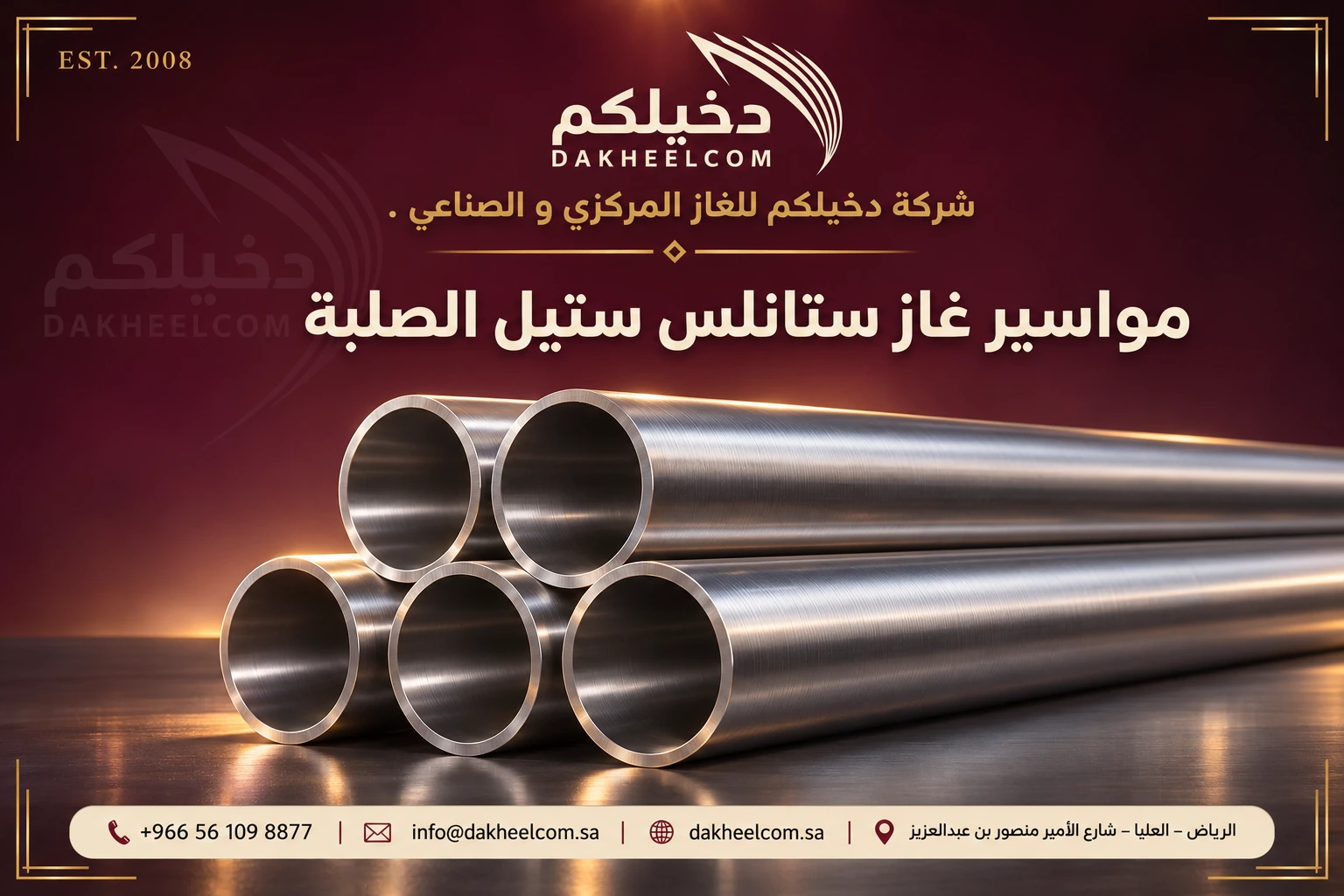
Rigid stainless steel gas pipes : comparing supply and maintenance
Is a higher grade name always the better choice ?
Select stainless steel gas pipes against the gas, environment and jointing method, not a ranking of grade names alone. The offer should identify grade, size, wall thickness and proposed fittings so they can be assessed together. A higher price does not automatically establish a better match for the project.
Why can installation costs differ ?
Routing, access, joint count, assembly method and inspection requirements all affect the work. Compare stainless steel gas pipes as part of a complete installation scope rather than on price per metre alone. Clearly identify exclusions and coordination requirements so that necessary work is not omitted from one quotation.
What remains important after installation ?
Retain the material identification, isolation-point information and network layout for maintenance, and review expansions before execution. Stainless steel gas pipes still require attention to connections, mechanical protection and site conditions. Dakheelcom can discuss these requirements within the service scope appropriate to the project.
How can material-grade mix-ups be avoided ?
Make the supply item specific rather than requesting only corrosion-resistant pipe. Associate each diameter with the required material grade, wall thickness and connection system. If a supplier proposes an alternative, treat it as a substitution requiring review rather than as an equivalent based on appearance.
At receipt, organize pipes and fittings so that each group can be matched to its procurement item. Agree how damaged or unidentified components will be handled before installation begins. This straightforward control reduces confusion between visually similar materials and makes discrepancies easier to resolve before assembly.
Compare the complete system cost, including fittings, installation, required protection and maintenance access, rather than pipe price alone. Dakheelcom considers material options within the complete network requirements so that the choice has a clear project-specific basis. This also helps owners understand why two apparently similar proposals may have different scopes.
How do rigid and flexible stainless steel gas pipes differ ?
Rigid pipes and flexible CSST systems are not the same product. Dimensions, wall thicknesses, fittings, installation methods and intended uses differ.
Flexible-system instructions must not be transferred to rigid pipe, and fittings must not be selected merely because both products are stainless steel gas piping.
Do stainless steel gas pipes resist every type of corrosion ?
No. Corrosion resistance depends on alloy grade, environment, exposure and operating conditions.
A particular location may need a specific grade, protection or additional installation details. The phrase high-quality stainless steel gas pipe is not enough without a clear specification.
What establishes suitability for gas ?
Review the pipe standard, material grade, wall thickness, pressure, temperature and gas type, along with fittings, valves and installation method.
Use of stainless steel gas pipe in one industrial system does not make it suitable for every other gas. Industrial gases require specific compatibility assessment; their requirements cannot be reduced to fuel-gas provisions.
Is it better than carbon steel gas pipe ?
Environmental or operating requirements may favor it, but it is not necessary or the most cost-effective option for every project.
The comparison includes system cost, maintenance, compatibility and installation requirements, not only pipe price or resistance to rust.
Selection that serves operation
Dakheelcom reviews the reason for selecting stainless steel gas pipes and their specifications before including them in the proposed solution, connecting them to the facility’s actual needs.
Our central gas design and installation services select pipes and components against relevant international specifications and quality requirements suited to operating conditions.
The result is a recommendation with a clear engineering basis, whether the study favors stainless steel gas pipe or another appropriate material.