
Gas and Compressed Air for Coffee Roasteries: Preparing an RFQ
When planning a new coffee roastery or upgrading an existing facility, start by compiling the equipment requirements into a clear project brief before requesting quotations. Depending on the equipment and its intended use, the project may require a central gas distribution system and storage tank, a compressed air distribution system and compressor package, or only some of these services. The scope should be determined by the equipment specifications and operating requirements, rather than by the business activity alone.
This guide helps project owners and procurement teams prepare the information suppliers need and ask more precise questions. System sizing, component selection and installation requirements must be assessed for the individual project.
1. Compile the equipment specifications
List the equipment you intend to operate and attach the technical documentation available from each supplier. Identify which equipment is new and which existing equipment will remain in service. Where a requirement is unknown, mark it as “subject to supplier confirmation” rather than inserting an estimated value into the request for quotation (RFQ).
Include the expected operating hours and any expansion plans. This gives the technical team a clear basis for discussions with you and your equipment suppliers.
2. Describe the roastery site and project stage
State whether the facility is being fitted out, is already in operation, or is being modified to accommodate additional equipment. Provide the available site layout, the city, the current project stage and the target completion date. For an operating facility, identify any need to coordinate the work with ongoing operations. The technical team can then determine what must be inspected on site before the quotation is finalised.
3. Define the scope of each required service
The scope may include the assessment and installation of a gas distribution system, the supply of a gas storage tank, or a compressed air distribution system and compressor package. Ask each bidder to state clearly which items include design, supply, installation, testing and handover, and which works or documents must be provided by others.
A clear breakdown makes quotations easier to assess, even when a single contractor provides several services. The description “complete system” does not, by itself, establish that every activity is included. The agreed written scope is the reference.
4. Compare the scope of work before comparing prices
Review the following points with each bidder:
- Which documents and information form the basis of the quotation, and what remains subject to confirmation?
- Which materials, equipment and installation works are included in the price?
- Are transport, civil works and connections involving other parties included or excluded?
- Which tests and handover documents are included in the project scope?
- What is the proposed execution period, and what conditions must be met before work can begin?
- What written warranty and support terms apply to each product or service?
Compare the individual items and exclusions before comparing the total prices. A price difference may reflect a different scope of work or assumptions that require clarification.
5. Consolidate the roastery information into one enquiry
Organisation name:
City:
Project stage:
Equipment list and available technical documents:
Required services:
Available site layout:
Target completion date:
Required scope of supply and installation:
Items requiring technical review:
Do not include confidential operational information in public comments. Share the necessary documents through an appropriate direct communication channel.
How Dakheelcom can support your project
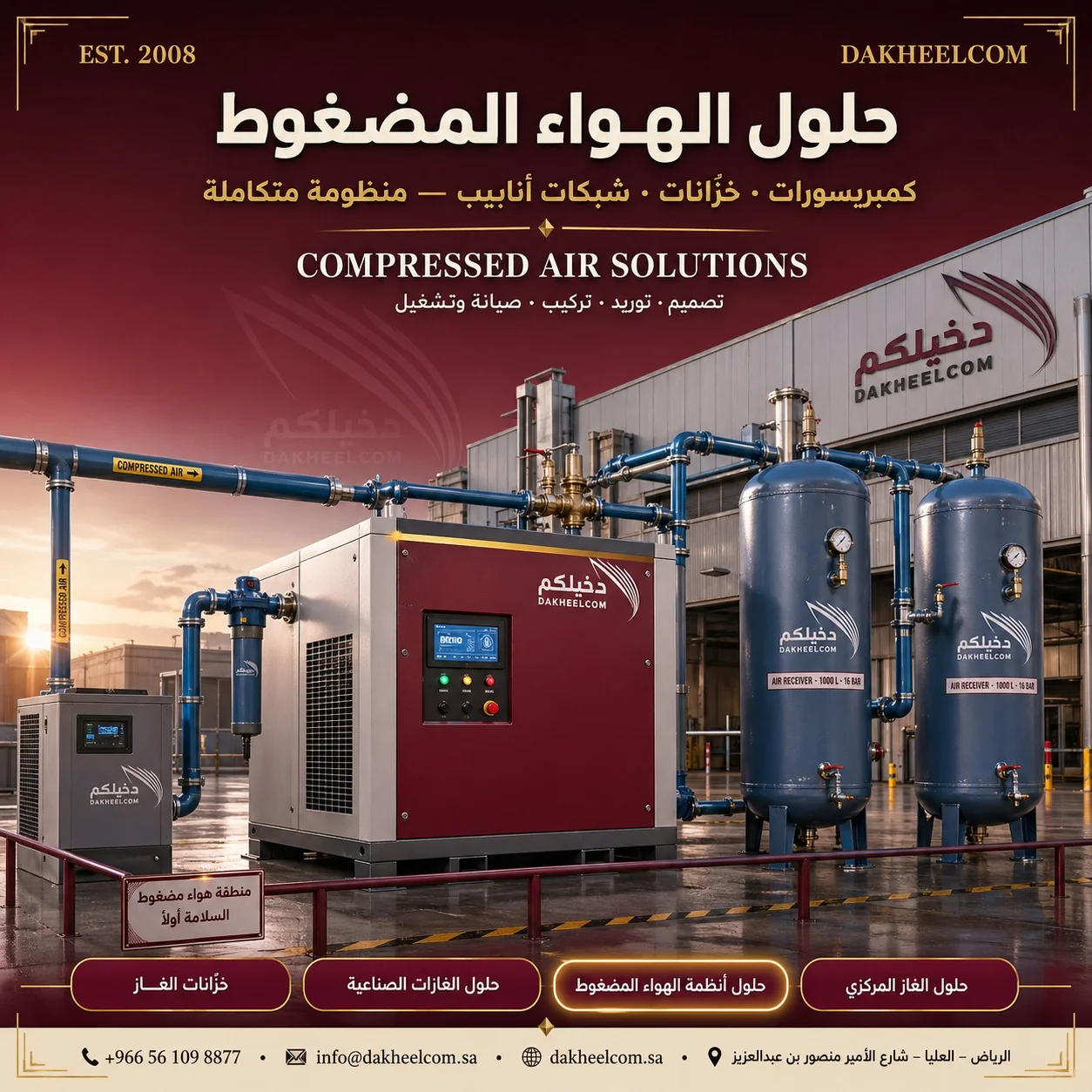
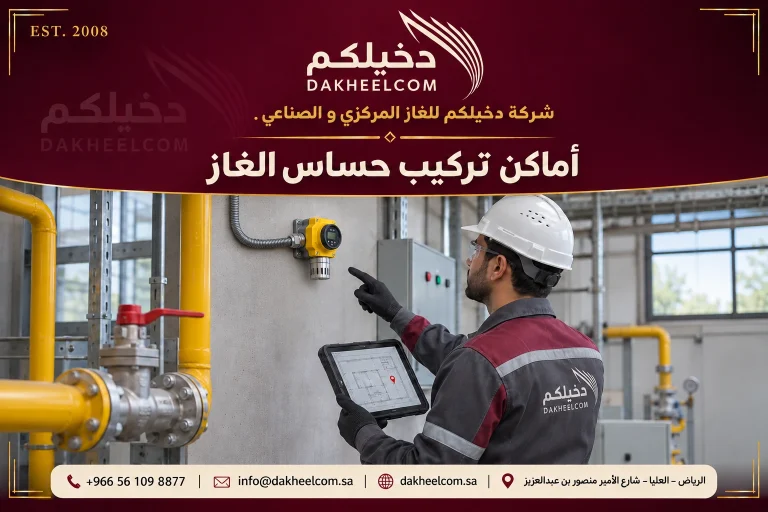
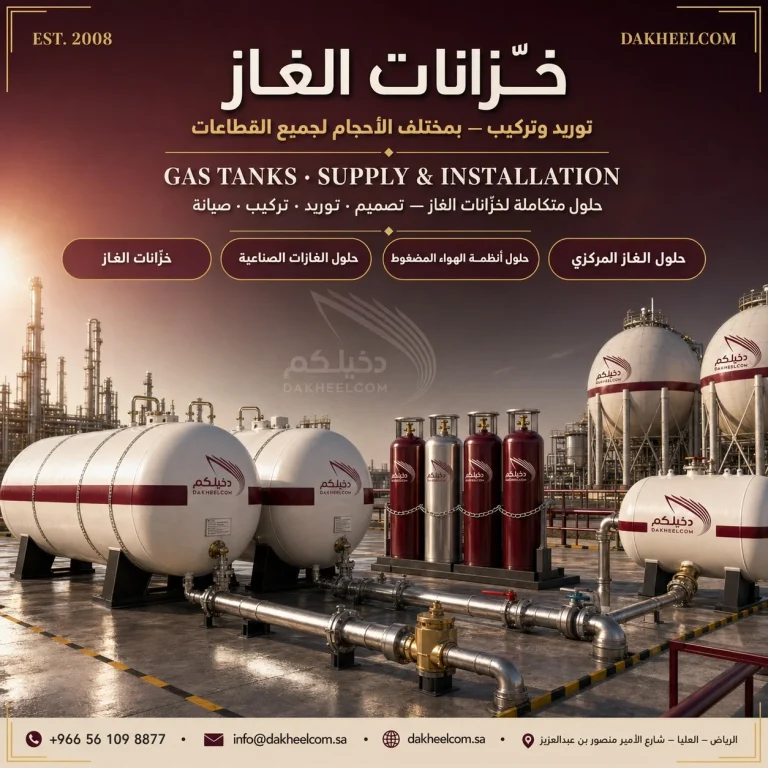
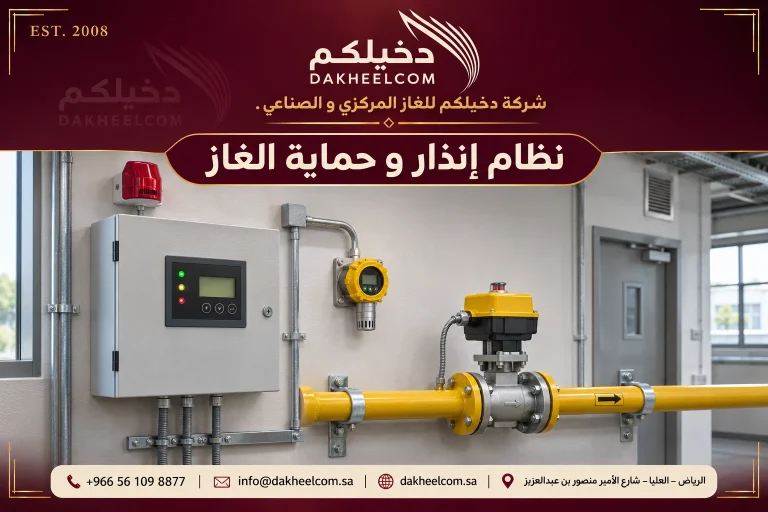
Dakheelcom Central and Industrial Gas provides services for central gas and compressed air distribution systems, as well as the supply of gas storage tanks and air compressor systems. Share your project information with the team to discuss the required scope and determine the next step in the technical review.
Central gas distribution systems (Arabic)
Compressed air distribution systems and compressors (Arabic)
Frequently asked questions
Does every roastery require both gas and compressed air?
No. The starting point is the equipment specifications and operating requirements. A specialist should then review which systems the project actually needs.
Can I request a quotation before the final site layout is available?
Initial discussions can begin with the information available, provided it is clearly identified as preliminary. The technical review will establish what further information is needed to complete the assessment and finalise the quotation.
Does the supply of a compressor include the compressed air distribution system?
Not automatically. The quotation should specify the equipment, distribution piping, installation and handover activities included in the scope, together with any exclusions.
Can an existing system be expanded?
An expansion assessment begins with a review of the existing system’s condition and the requirements of the new equipment. The proposed solution must be based on that project-specific assessment.
For system components and installation stages, read our central gas systems guide. Explore above-ground LPG tanks or underground LPG tanks as part of your roastery requirements assessment.



4 Comments