Aluminum Pipes for Gas : Why the System and Specification Must Be Defined
Learn why an aluminum piping system must be specifically suitable for the intended gas, pressure and joints rather than selected from air service alone.

Selecting gas pipes starts with defining project requirements, then comparing options suited to those requirements. This guide organizes Dakheelcom Company’s articles into a clear reading path to help you frame your questions, understand the differences worth discussing and prepare an enquiry with a defined scope. Choose the section that matches your project stage, then follow the specialist article for details.
Start with the facility type, gas used, project location and site-readiness stage. Gather available equipment data and requirements for operating pressure, flow rate and temperature. Clarify whether the route is indoors, outdoors or buried. If information is missing, identify it when contacting us rather than estimating it without an assessment. These details help a specialist establish what must be reviewed before recommending the material, size and joining system.
If you are beginning your research, start with the Types of Gas Pipes article for an overview of material families and their main differences. Return to this guide to find the article that addresses your specific question. Listing a pipe type here does not make it suitable for every project; suitability must be reviewed against the gas, operating conditions, system requirements and site.
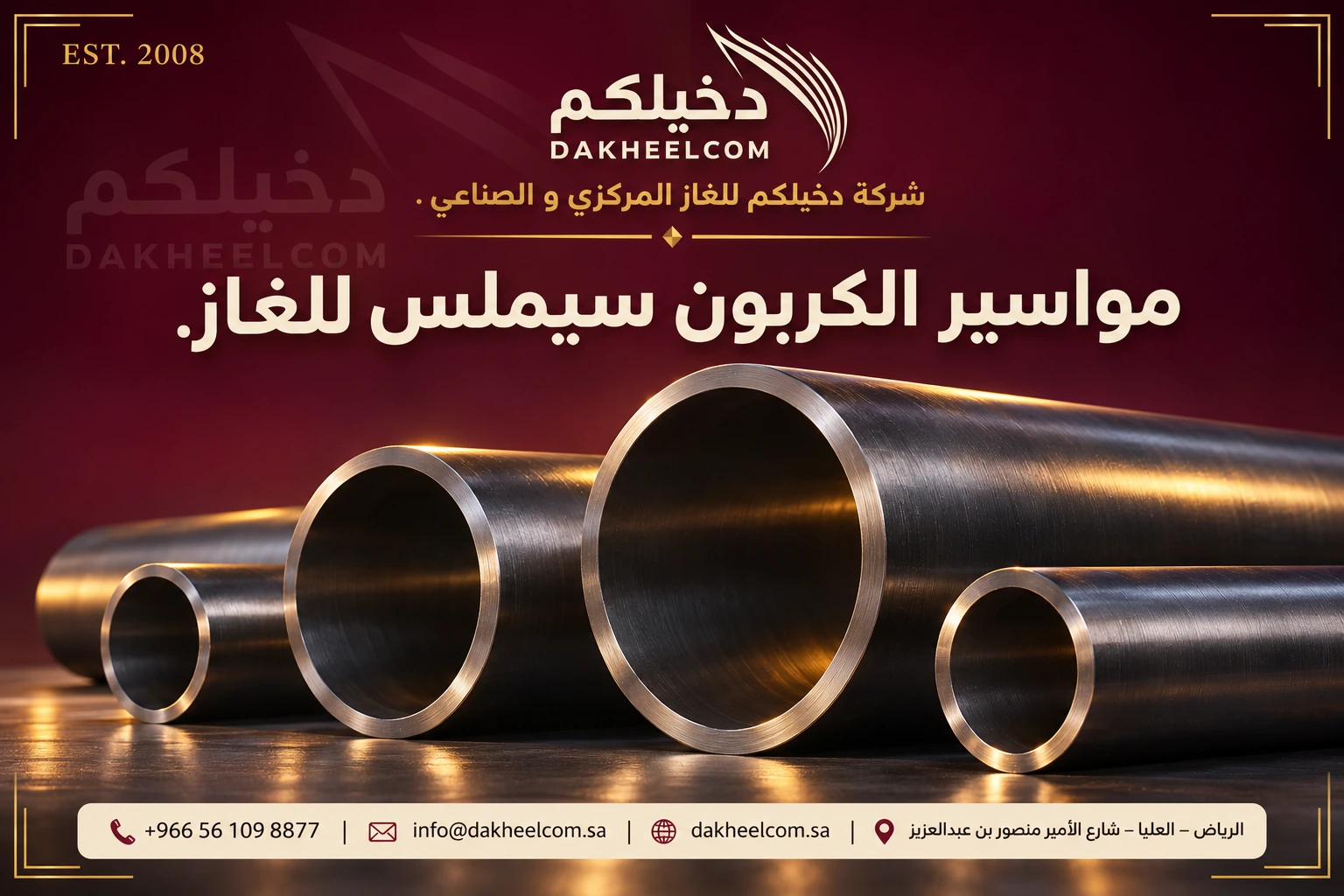
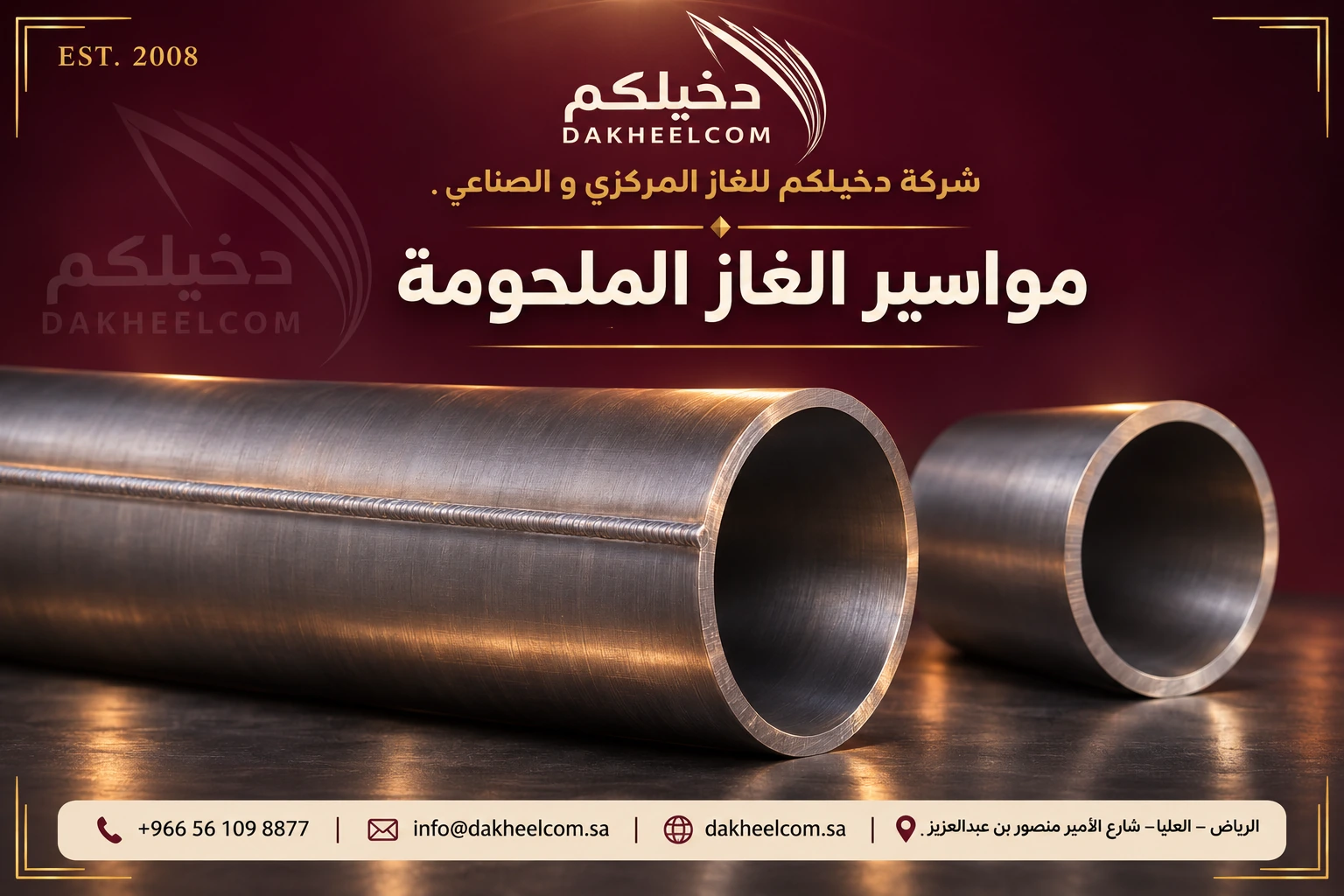
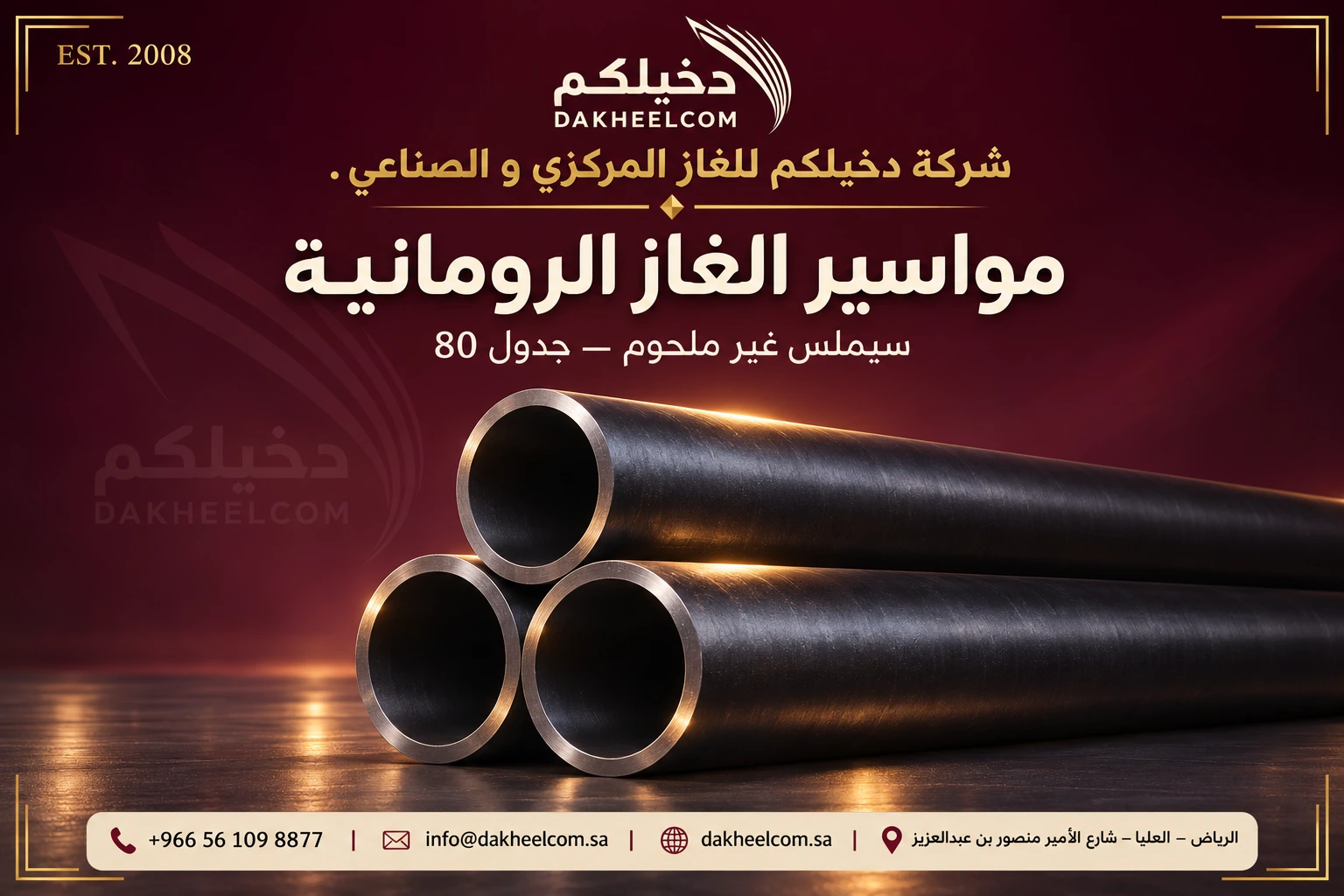
Are you comparing seamless carbon steel gas pipes with a welded option? Begin with the specification, wall thickness and product acceptance criteria for the project. Use the following articles to frame questions about size, manufacturing method and connections, and the differences between Schedule 40 and Schedule 80. Neither the word seamless nor a schedule number replaces a review of the network requirements.
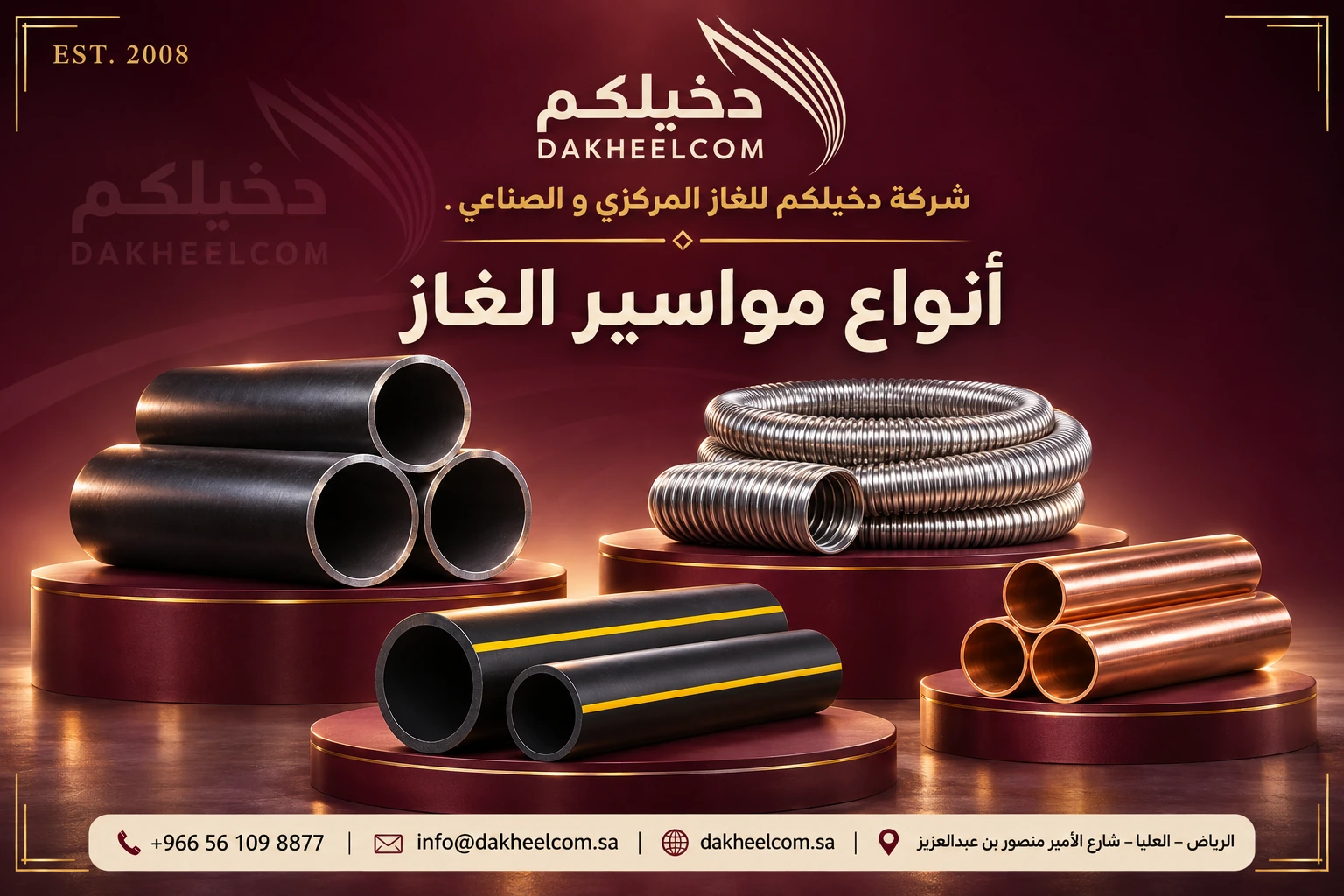
Your question may concern a buried route, an environment requiring corrosion-protection assessment, a flexible joining system or an alternative material. Choose the article closest to that question and review its conditions before comparing options. The guides below cover flexible and rigid stainless steel gas pipes, gas-grade polyethylene (HDPE) pipes, copper gas pipes, galvanized pipes and aluminum pipes. Do not select water pipes or another product for gas simply because its shape or colour looks similar.
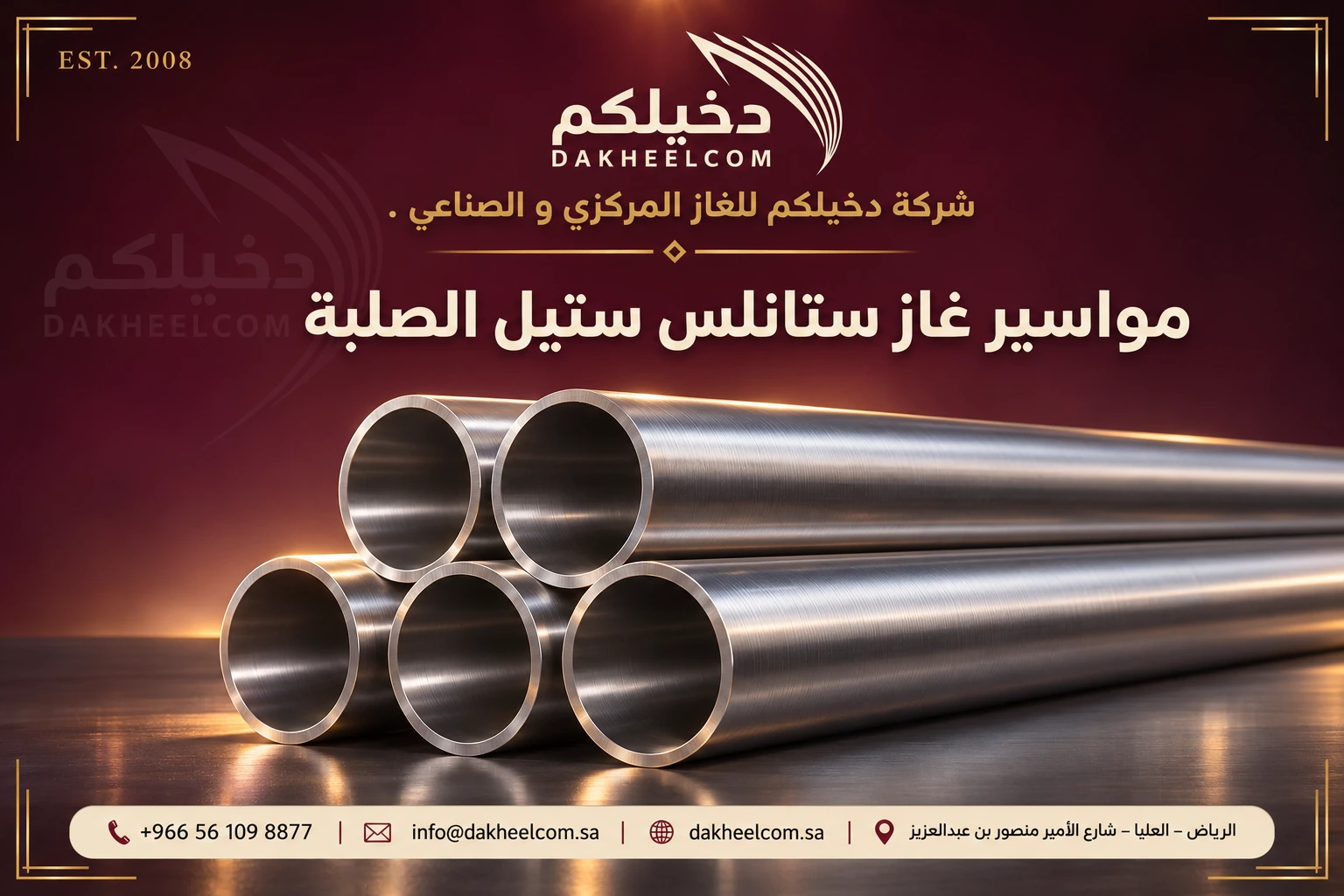

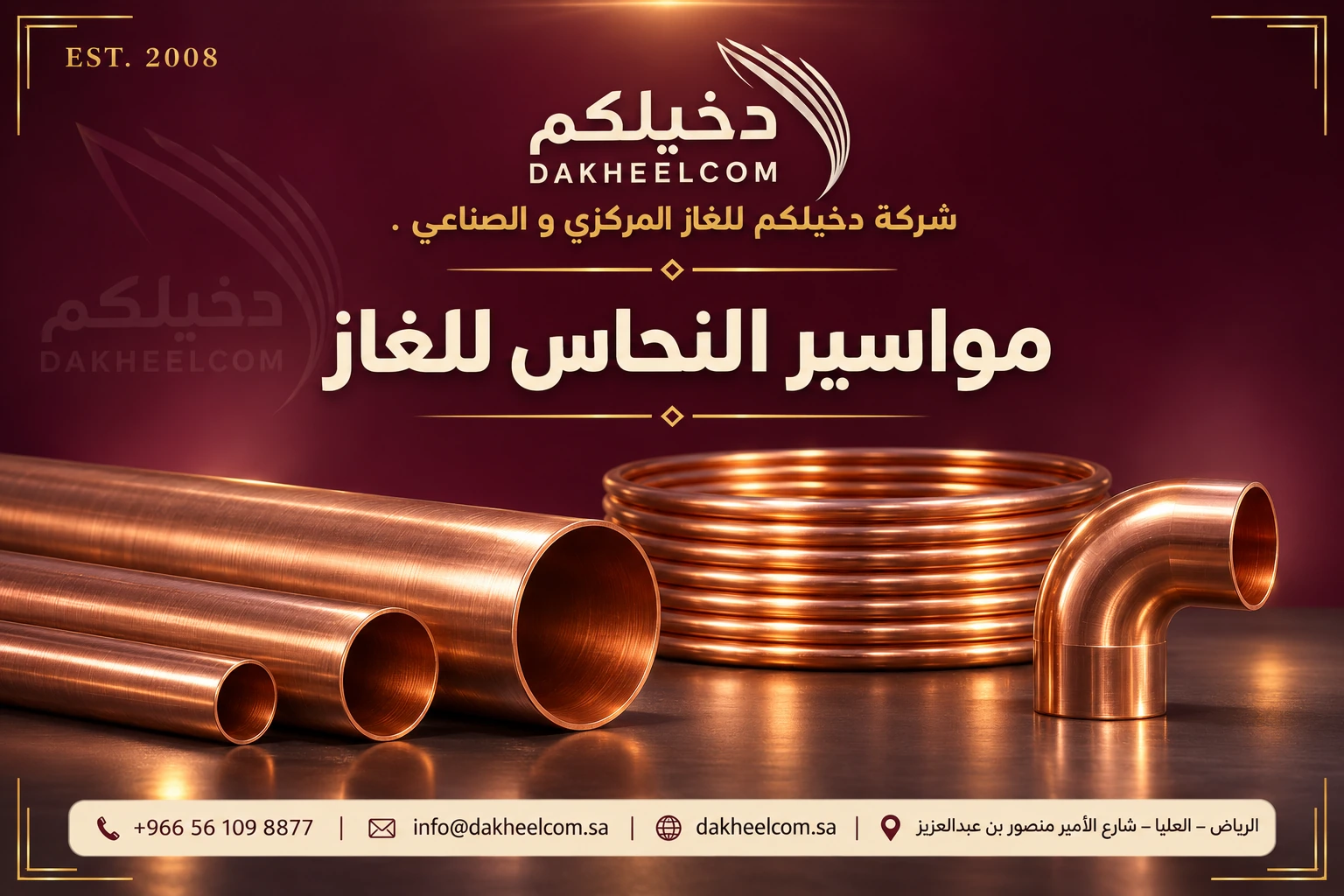
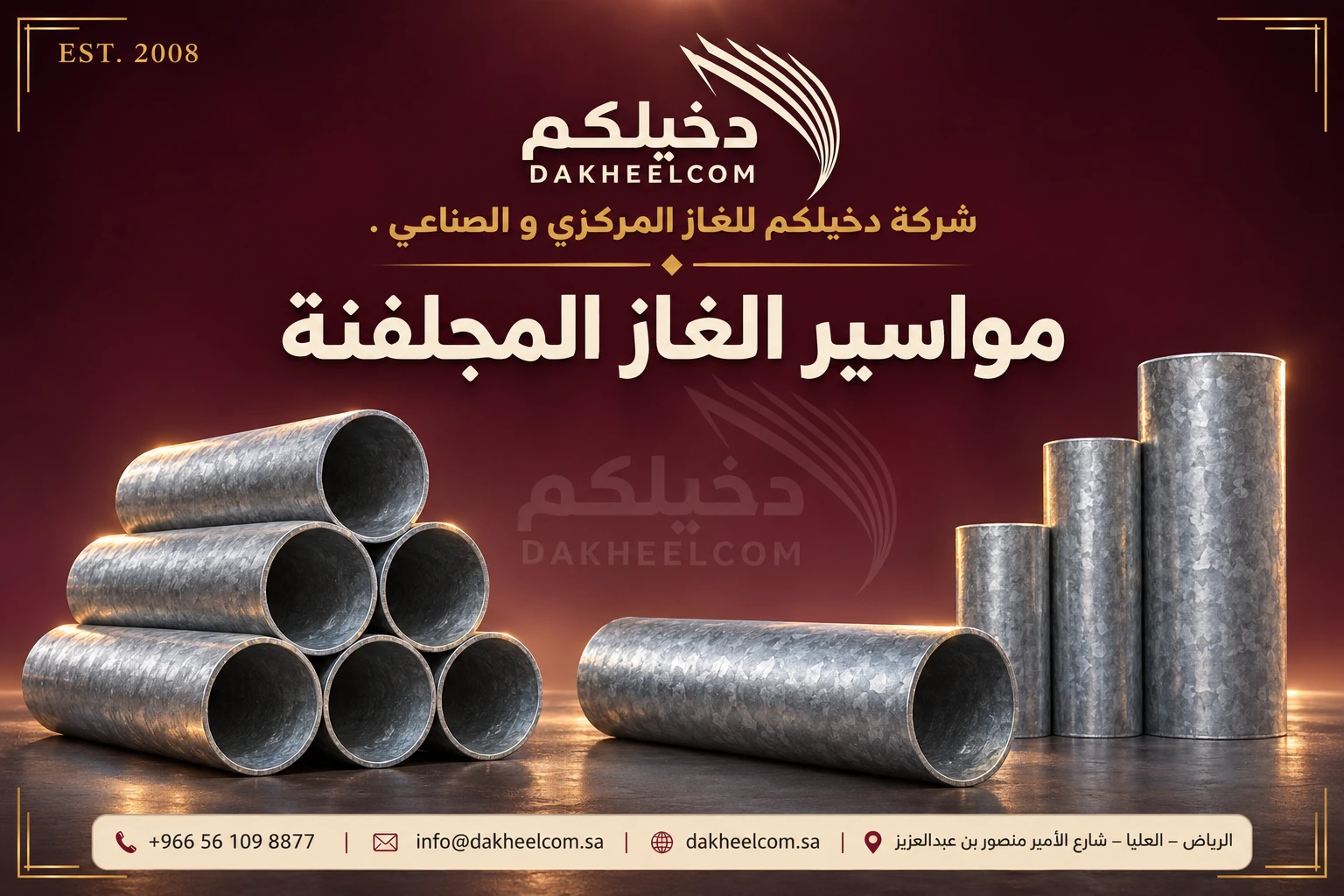
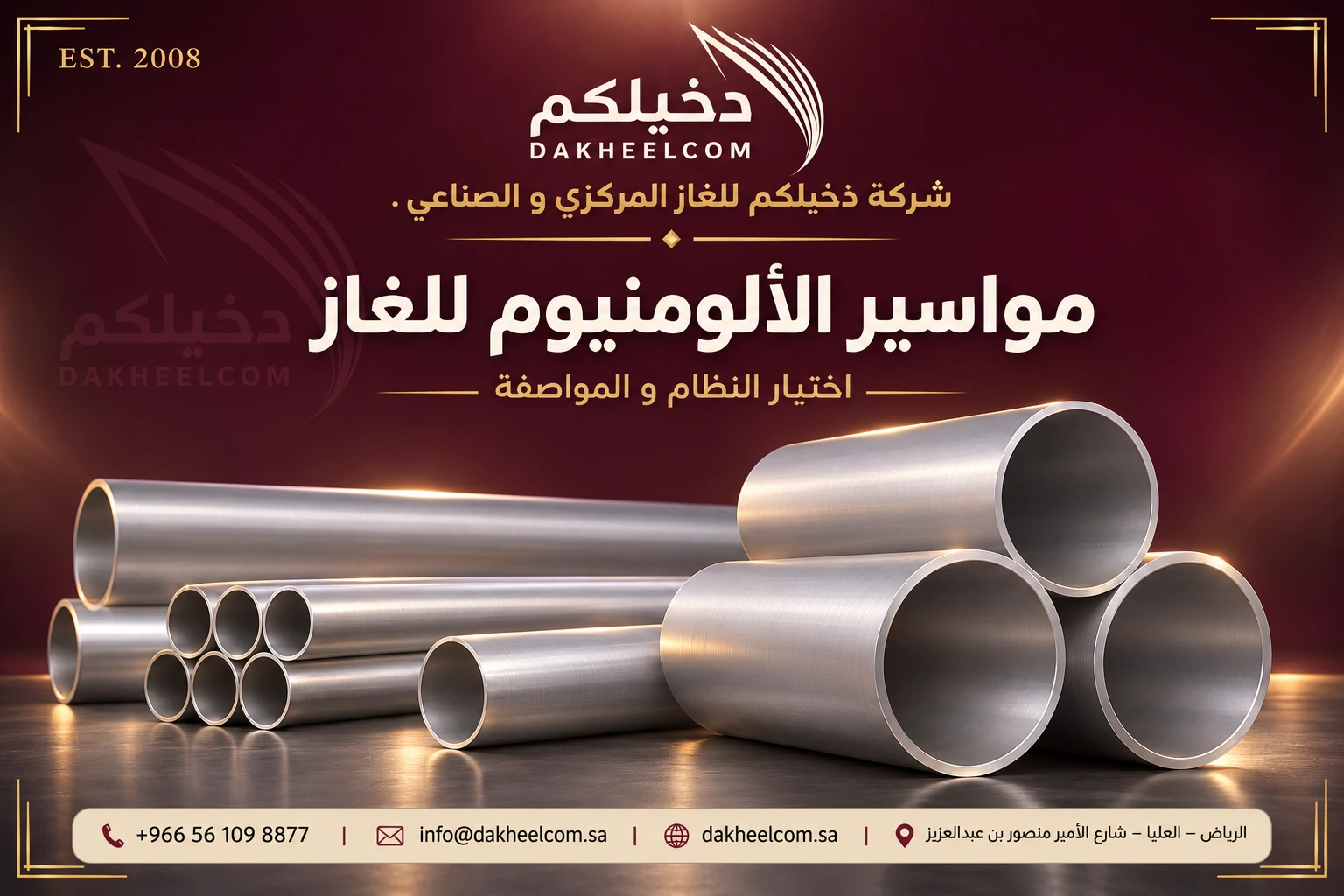
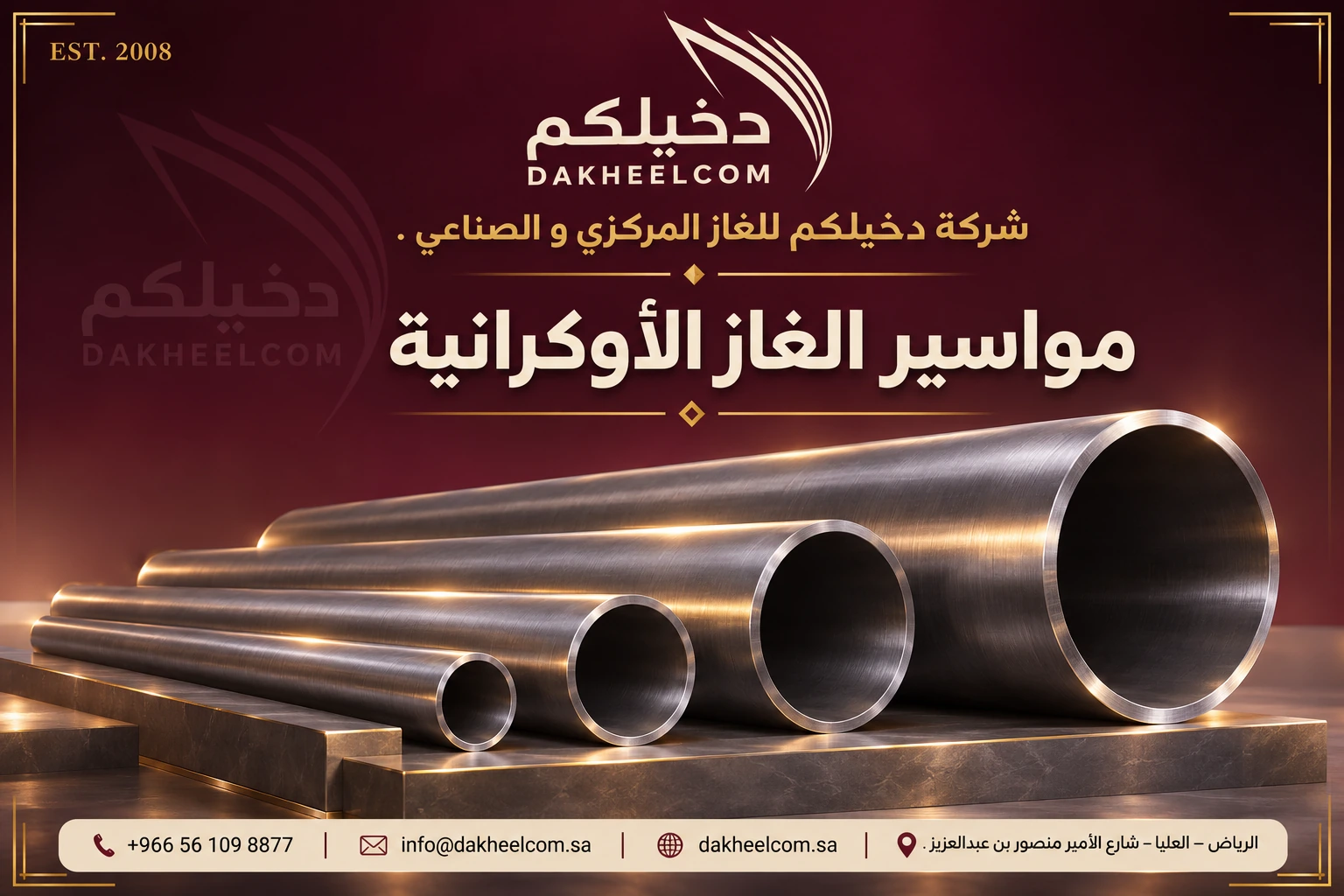
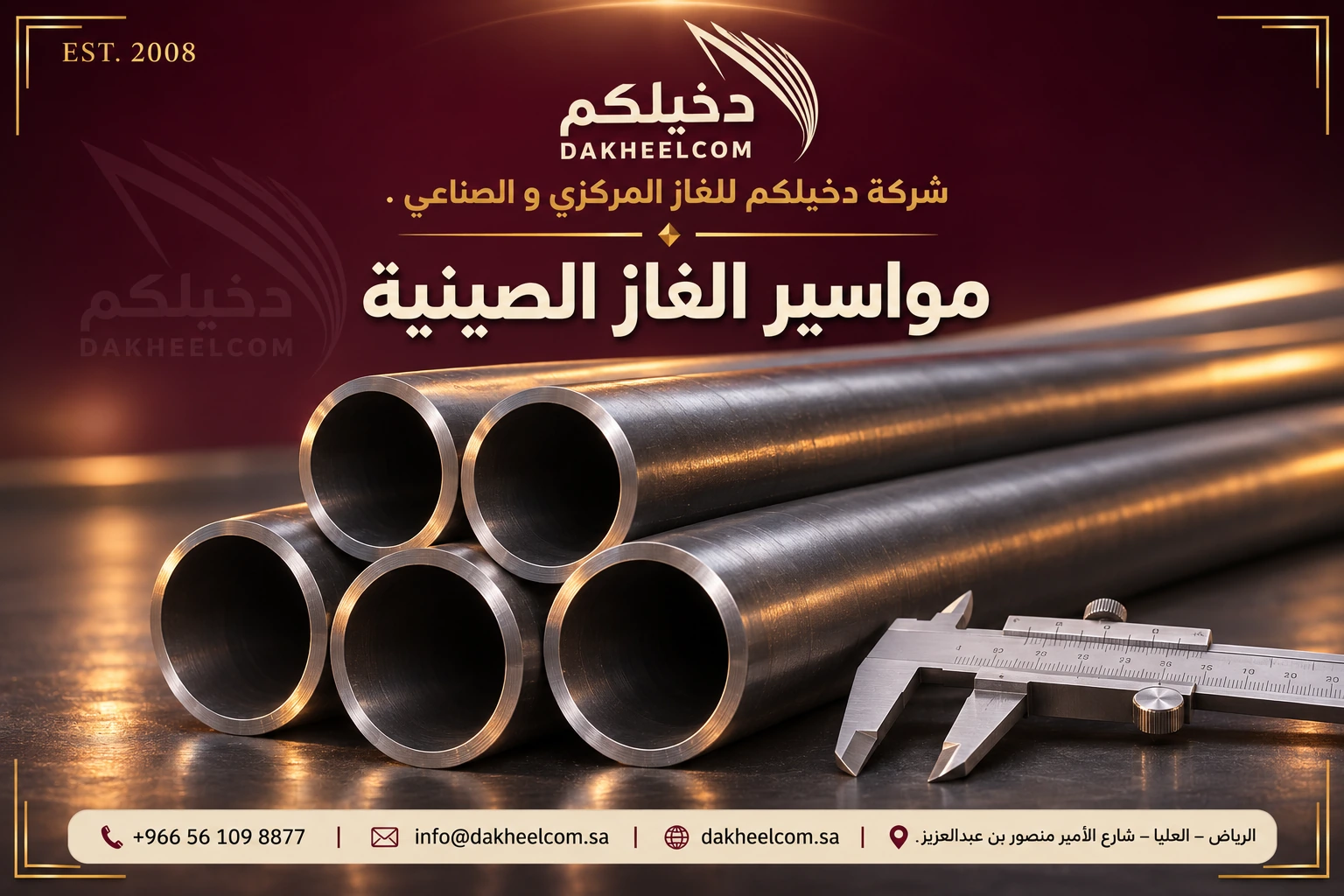
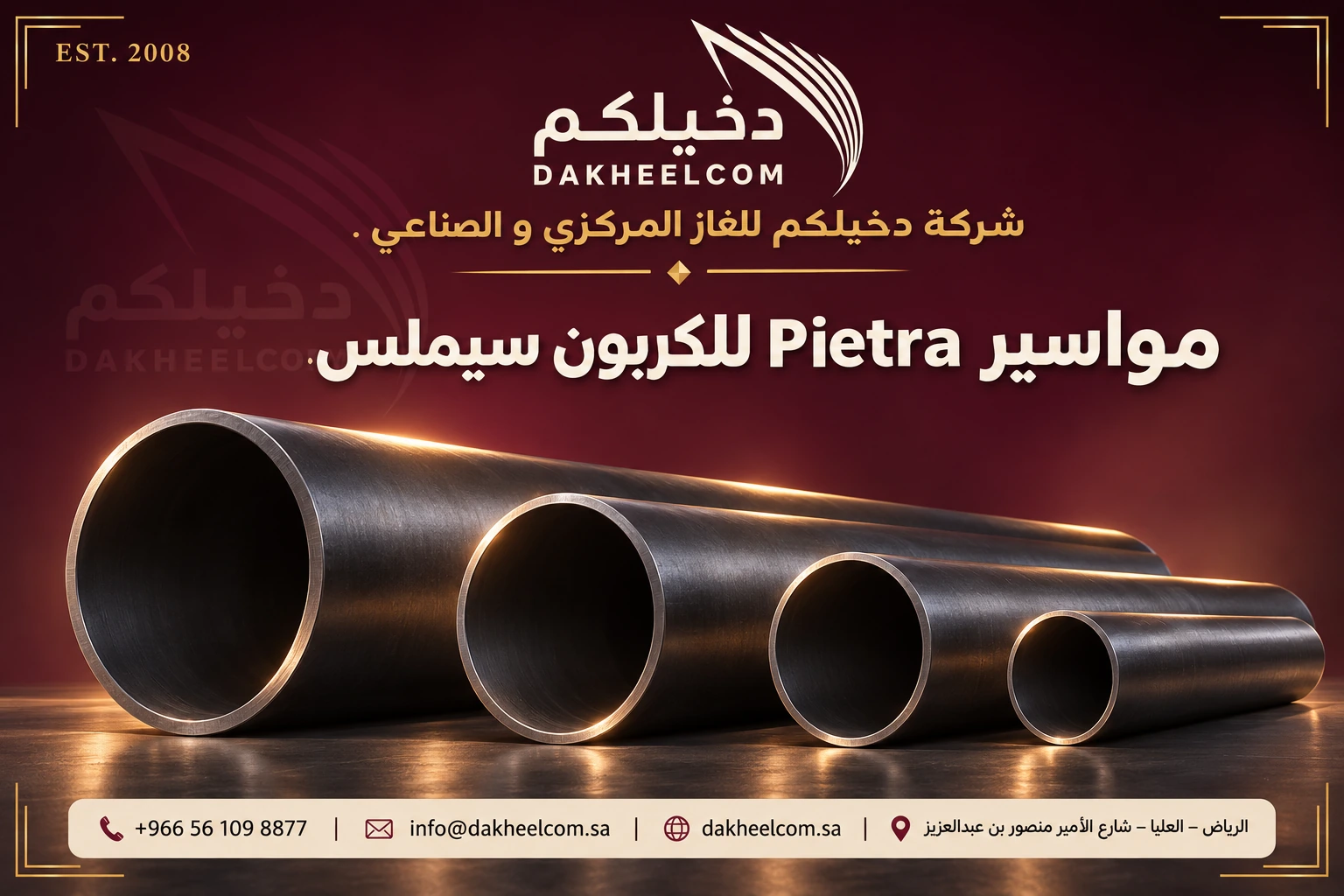
Once project requirements are defined, product comparisons become clearer. Use the Romanian, Ukrainian, Chinese and Pietra pipe guides to understand what to ask before selection. Compare options against the same requirements and supply scope; country of origin or a brand name alone does not determine whether a product suits the project.
Dakheelcom Company provides central gas network design and installation under engineering supervision, selecting materials according to project requirements and applicable specifications. We connect pipe selection with network routing, operating requirements and installation quality, so comparisons focus on a suitable project solution and a clear scope of work. Send the information available for your project to discuss its requirements and the next step.
Explore our central gas installation and network design service
Review the Central Gas Project Planning Guide to organize your project stages
This guide supports preparation and comparison. It does not replace a site assessment and specialist review for the final selection.
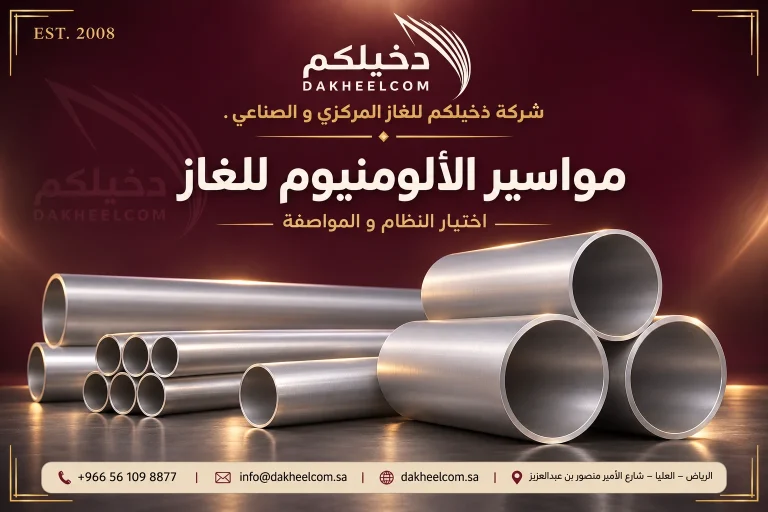
Learn why an aluminum piping system must be specifically suitable for the intended gas, pressure and joints rather than selected from air service alone.
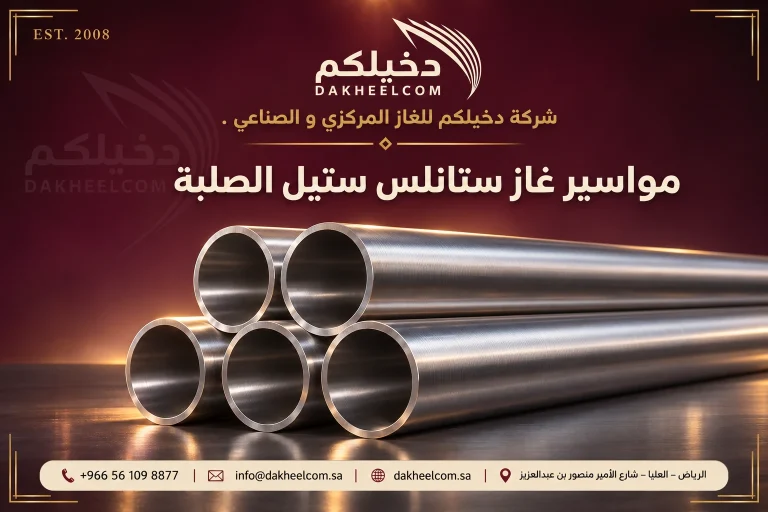
Understand rigid stainless steel gas pipe selection, grade, joining methods and site conditions for a suitable and maintainable gas network.
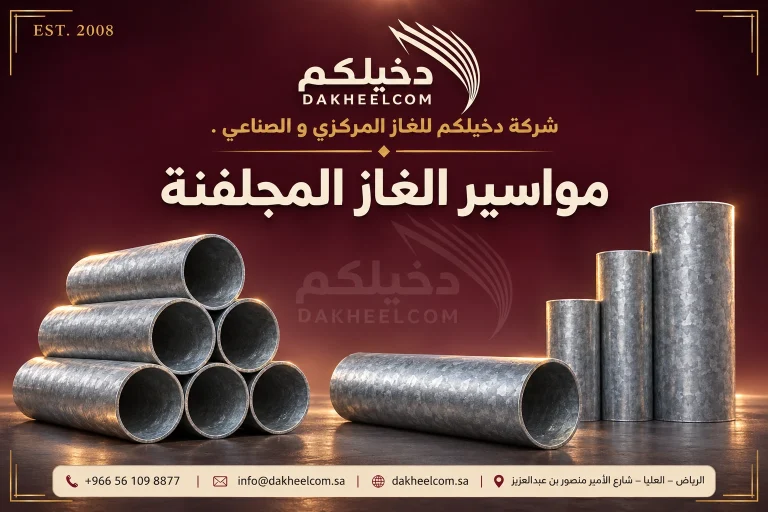
Learn what galvanizing can and cannot provide for gas pipes, and how to assess material suitability, connections and corrosion protection.
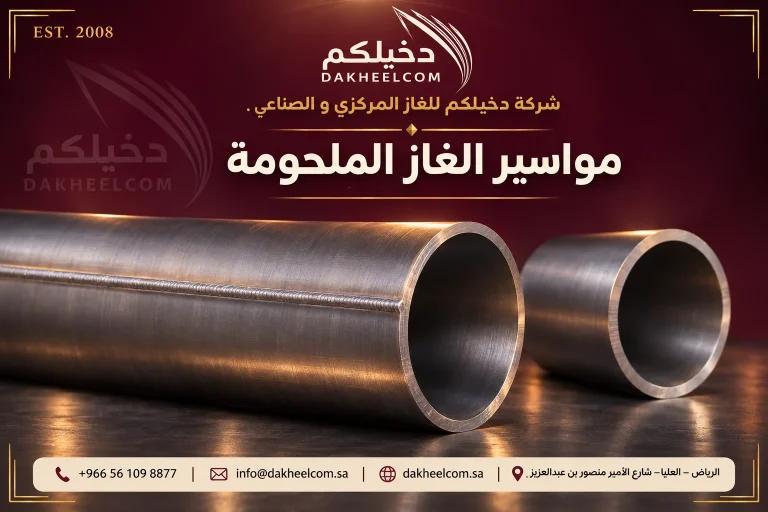
Compare welded and seamless gas pipes and understand why specification, testing and service conditions matter more than the manufacturing label alone.

Explore copper gas pipe suitability, gas compatibility, jointing and installation conditions before selecting a system for your project.

Learn how gas-grade HDPE pipes differ from water pipes and what to consider for buried gas networks, transitions, jointing and site protection.

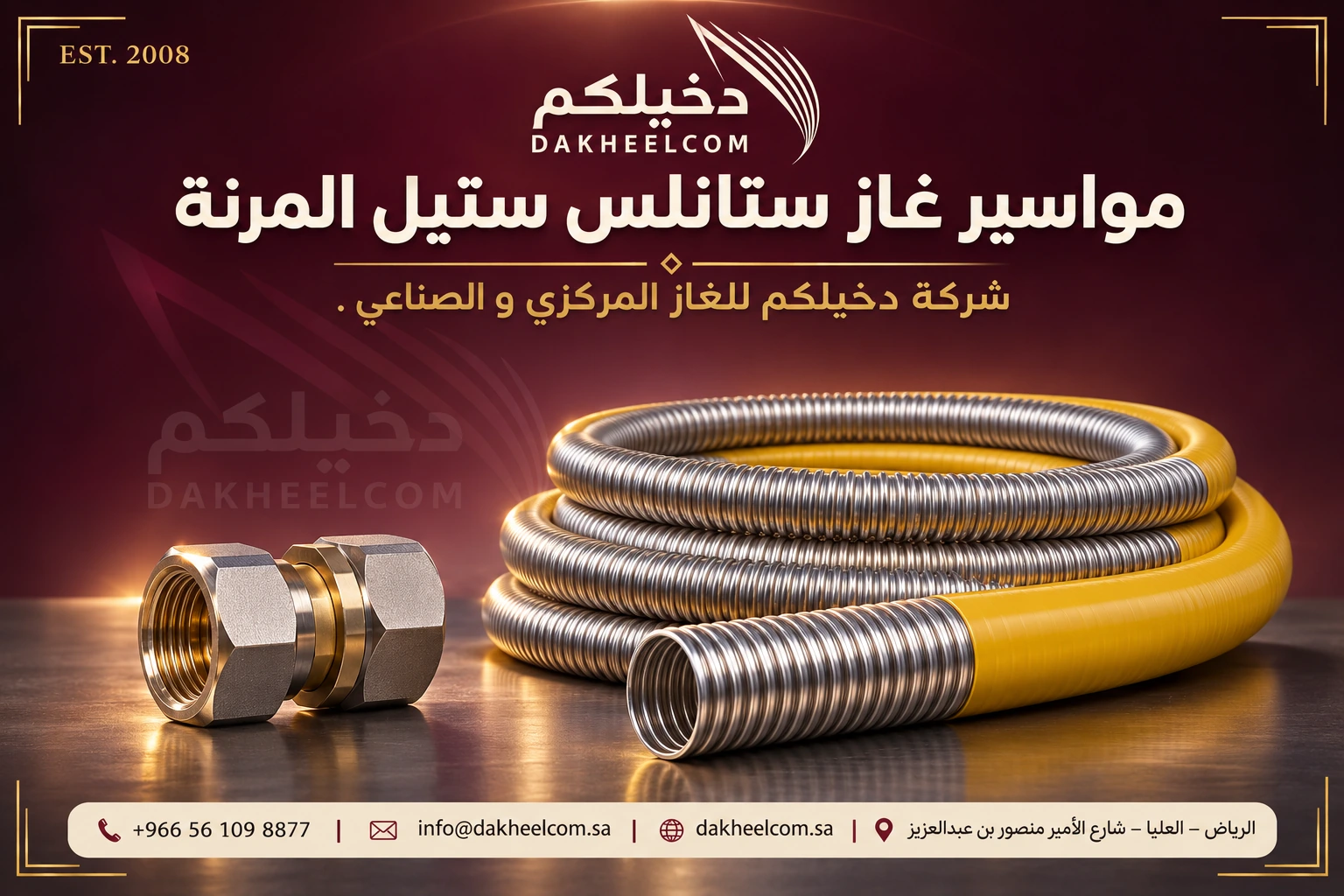
Understand flexible stainless steel gas pipes, CSST benefits and limitations, mechanical protection and system selection for central gas projects.

Review Pietra seamless carbon steel pipe selection for gas networks, including product suitability, operating conditions and installation requirements.
Assess Chinese seamless gas pipes by specification, steel grade, wall thickness and project suitability rather than country of origin alone.

Learn what to check when selecting Ukrainian and INTERPIPE gas pipes, including the specific product, steel grade, wall thickness and intended service.